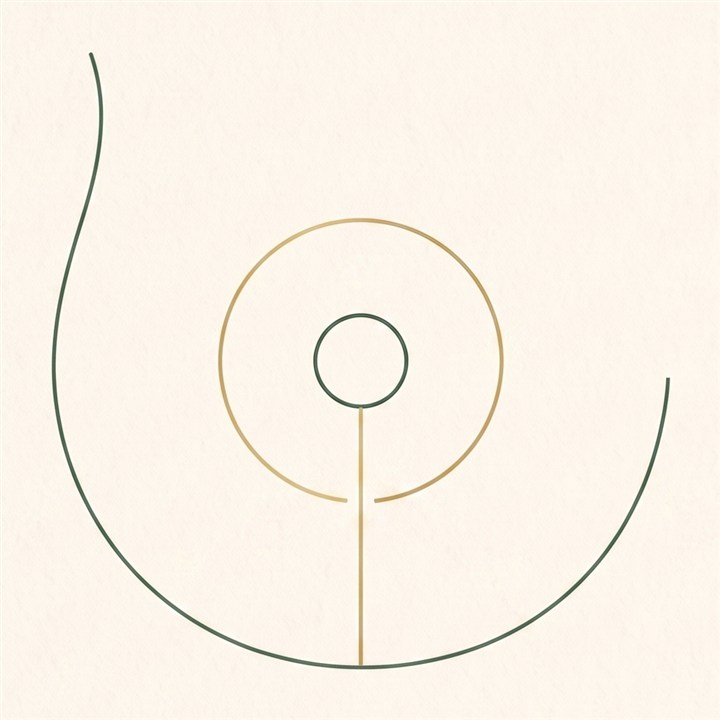
Small–moderate reduction
Vertical (lollipop)
A circle around the areola plus a single vertical limb to the fold — no horizontal scar. Suited to smaller and moderate reductions with firmer reshaping.
Breast Surgery · Abu Dhabi & Dubai
A breast reduction removes excess weight and reshapes the breast to a lighter, lifted, proportionate size — relieving neck, back and shoulder pain and letting you move freely. The nipple is kept alive and sensate — never detached — and the result is supported by an internal bra of your own tissue.

Overview
A breast reduction removes excess breast tissue, fat and skin and reshapes and lifts what remains — creating a smaller, firmer, higher breast in proportion to your frame. Because the breast is also raised and the nipple repositioned, a reduction is a lift and a size reduction in one operation.
For most women the reason is physical, not only aesthetic: heavy breasts pull on the neck, back and shoulders, cut grooves under the bra straps and cause rashes in the fold. A reduction removes that weight for good.
The nipple stays attached to the breast — never detached — so its blood supply, sensation and, in most cases, the ability to breastfeed are preserved, while the new, lighter breast is held in shape by an internal bra made from your own tissue.
Why women choose it
Overly large, heavy breasts (macromastia) are a physical burden, not just a cosmetic concern. A reduction is one of the most reliably satisfying operations in plastic surgery because it removes the daily symptoms — usually on the first day.
The constant forward pull of heavy breasts strains the spine and shoulders. Removing the weight relieves the chronic ache almost immediately.
Deep, sometimes permanent grooves cut into the shoulders by straps carrying the weight ease once the load is gone.
Recurrent redness, chafing and fungal rashes in the fold under the breast (intertrigo) resolve once the skin no longer sits trapped and warm.
Running, training and many sports become comfortable again — often for the first time in years.
An upright posture is easier to hold, and clothes fit the way they are meant to.
Beyond the physical relief, most women feel lighter, more proportionate and far more at ease in their body.
The technique
The excess breast gland and fat are removed and the surrounding excess skin is taken away, so the breast is reshaped smaller and higher and the nipple is moved up to its new position — all in one operation.
Crucially, the nipple is never removed. It stays attached to the breast on a bridge of its own tissue that carries its blood supply, nerves and milk ducts — so it is lifted, not detached. This is what preserves sensation and, in most cases, the ability to breastfeed, while giving reliable long-term projection and shape.
Only in extreme cases — very large, heavy breasts where the nipple would have to travel too far to stay safely attached — is a free graft considered, and its trade-offs are explained fully beforehand.
Keeping the nipple alive — why it matters
Matched to your volume
The incision is chosen by how much needs to be removed and how much the breast has sagged — using the least scarring that will safely reduce and lift the breast. Scars are placed discreetly and refined with a glued, stitch-free closure.
Small–moderate reduction
A circle around the areola plus a single vertical limb to the fold — no horizontal scar. Suited to smaller and moderate reductions with firmer reshaping.
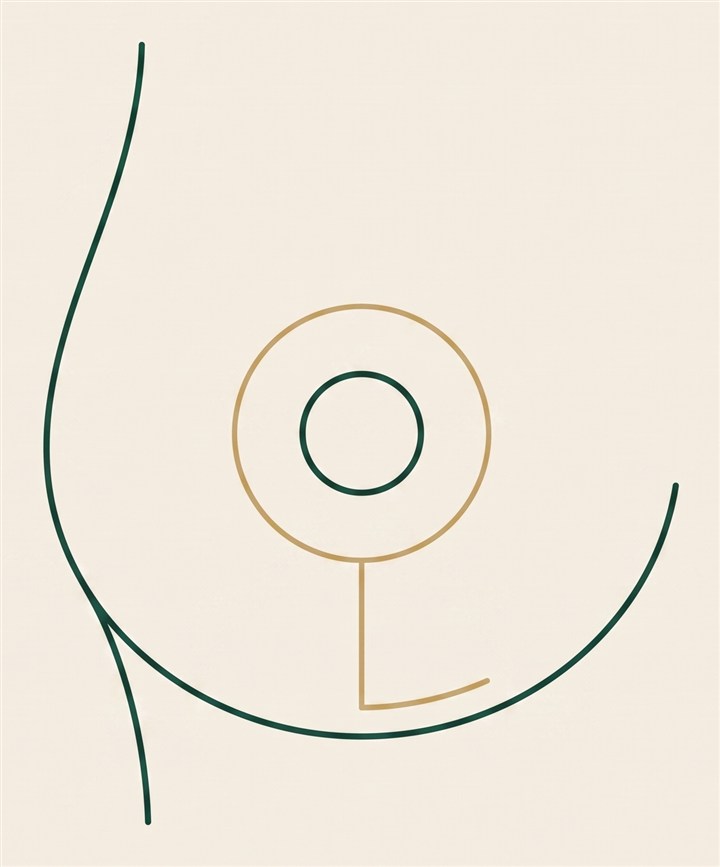
Moderate–large
Adds a short horizontal limb toward the outer side of the fold only — removing more tissue while keeping the central cleavage completely scar-free.
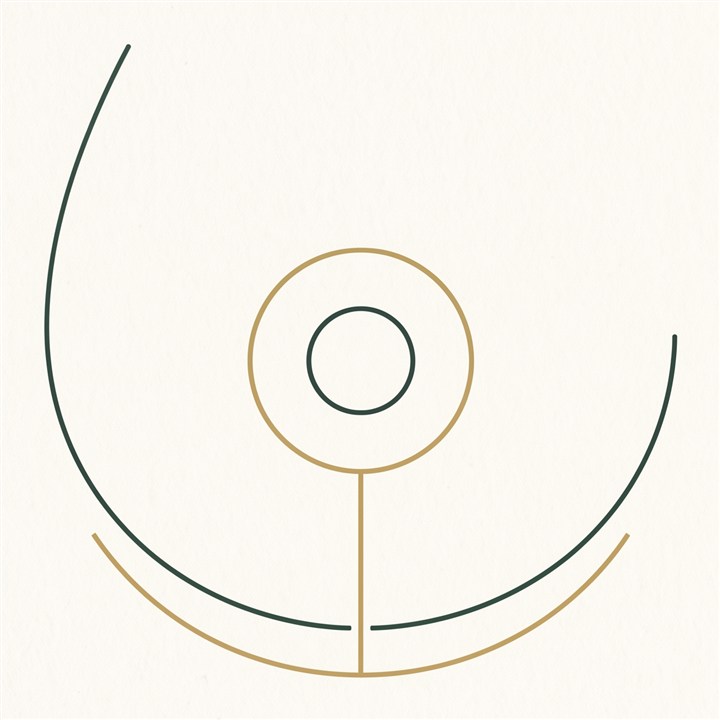
Large reduction
A periareolar circle, a vertical limb and a horizontal incision in the fold — the maximum control needed to remove large volumes and reshape the breast fully.
Nipple & areola
A large breast usually has a stretched, enlarged areola. As the nipple is raised, the areola is reduced to a proportionate size through the same incision — with no extra scar.
Planning
The size and shape are decided before the operating theatre, together. Using 3D imaging, your breasts are captured and the reduction is previewed on your own body — so you see a realistic smaller, lifted shape from every angle instead of imagining it.
This turns an abstract conversation about “how much smaller” into a shared, visual decision. You and Dr. Paulo Michels agree the proportion that relieves your symptoms and suits your frame, and the operation is planned around that goal.
Combined with standardized measurements and a careful examination of your tissue, the simulation makes the result predictable and personal — planned for your body, not a generic template.
3D simulation — what it gives you

Our philosophy
Why the shape lasts
A reduction also lifts the breast, and a lift can slowly drop again over time. Dr. Paulo Michels reinforces the new shape with an internal support built from your own tissue — not a synthetic mesh.
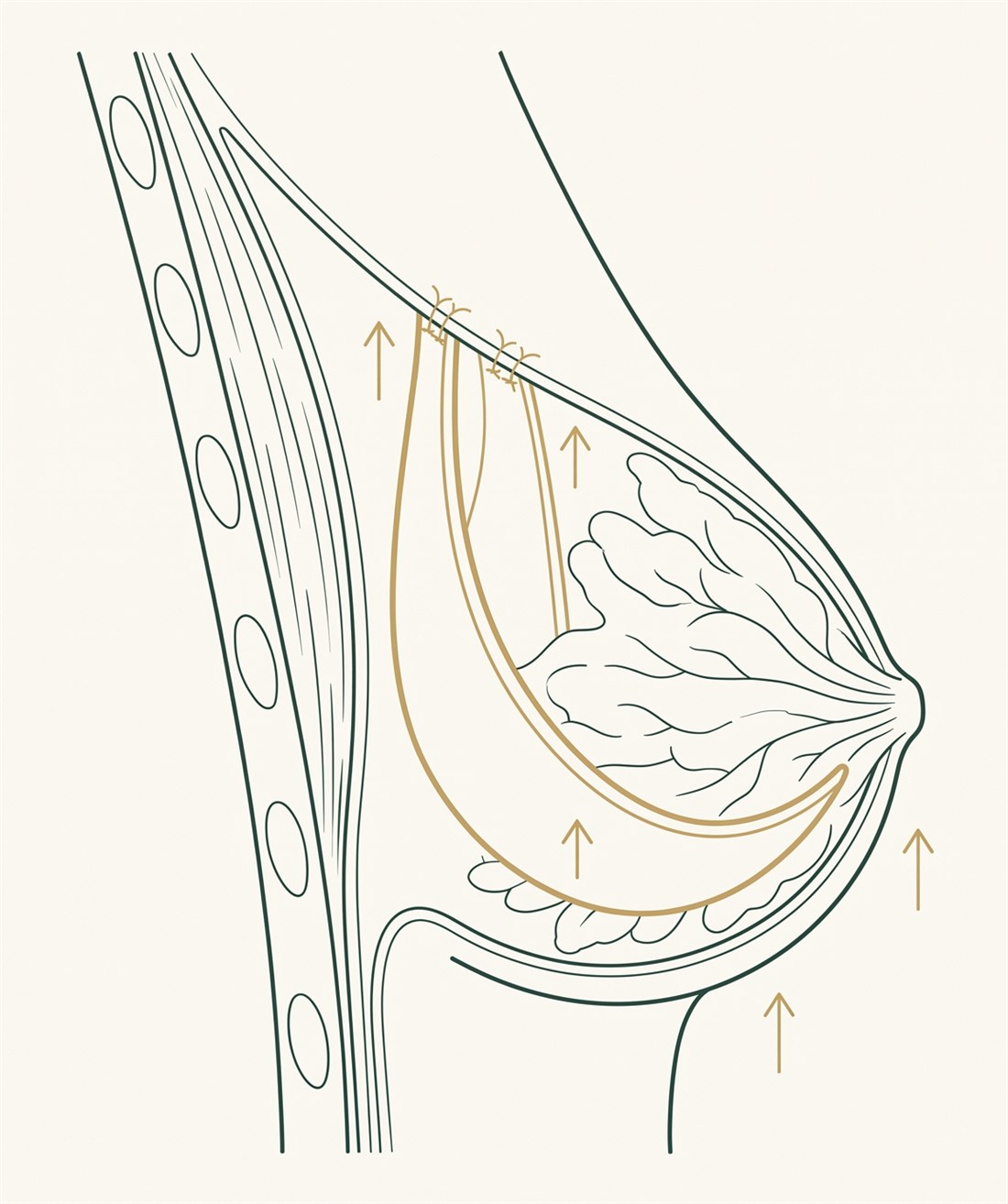
The inframammary fold — the crease that carries the breast’s weight — is reinforced using your own tissue, forming a strong internal support that holds the lighter breast up from below and resists it dropping or bottoming out again.
Because the support is autologous — entirely your own tissue — there is no synthetic mesh, and therefore no risk of rejection or a foreign-body reaction. It becomes part of your own anatomy and keeps the result looking its best for longer.
Comfort & healing
The experience is engineered to be comfortable and to heal into the finest possible scar.
Modern anaesthesia
Complete, safe unconsciousness without inhaled gases — precise control, a smooth and rapid wake-up, and near-zero postoperative nausea, so you recover clear-headed and comfortable.
Pain-free wake-up
Targeted nerve blocks placed under ultrasound while you are asleep numb the chest-wall nerves, so you wake with zero surgical pain — sharply reducing strong painkillers and speeding your return to normal life.
Refined closure
Advanced surgical glue with a stabilising tape distributes tension evenly to prevent scar widening, for a remarkably thin line. It is 100% waterproof — early showering, no complex dressings and no external stitches.
Book a private consultation with Dr. Paulo Michels — an honest assessment of your symptoms, your tissue and the reduction that will relieve them while giving a natural, proportionate shape.
Recovery
Relief from the weight is felt immediately, and the nerve blocks with a glued, stitch-free closure make the first days far easier than most expect. Most people return to work at around two weeks, with a supportive surgical bra worn for two months.
You wake with no surgical pain from the nerve blocks — and already notice the weight is gone. You rest with the chest supported; the waterproof closure lets you shower early.
Swelling and tightness settle. You wear a supportive surgical bra day and night and avoid raising the arms forcefully. Most daily activities resume gently.
Most people return to desk work at around two weeks (14 days), depending on how physical the job is.
The surgical support bra is worn for two months to protect the shape and the inframammary support as they heal.
Light activity builds back gradually; full exercise and chest or upper-body training resume at around three weeks (20 days). The breast settles into its final shape over 3–6 months.
Candidacy
Good to know
Honest risks
Breast reduction is one of the highest-satisfaction operations in plastic surgery, but it has honest trade-offs: permanent scars (placed discreetly and refined to fade), temporary changes in nipple or skin sensation that usually recover, breastfeeding that is usually preserved but cannot be guaranteed, and the normal healing risks — all minimised by the pedicle technique and careful aftercare, and discussed fully at your consultation.
Patient stories
“The back and shoulder pain I had lived with for years was gone the day after surgery. I only wish I had done it sooner.”Reduction, anchor
“He kept the nipple attached so I’ve got normal sensation, and the scar under my breast is barely there. I can finally run.”Nipple kept attached
“He showed me the new shape in 3D before surgery, so I knew exactly what I would get. Lighter, lifted and completely natural.”3D-planned reduction
Investment
Every breast is different, so there is no single price. A personalised quotation follows an in-person assessment. The main factors:
In line with UAE medical-advertising regulations, prices are shared privately in consultation rather than published.
FAQ
A reduction mammoplasty removes excess breast tissue, fat and skin and reshapes and lifts the breast to a smaller, firmer, proportionate size. Because the breast is also raised and the nipple repositioned, it is a size reduction and a lift in one operation, usually done to relieve the physical symptoms of heavy breasts.
Yes — this is the commonest reason women have it. Removing the weight of heavy breasts relieves the chronic pull on the neck, back and shoulders, eases bra-strap grooving, and clears the rashes that form in the fold. The relief is usually felt within the first day.
In most cases, yes. The nipple is kept attached to the breast on a bridge of its own tissue that carries its nerves, so sensation is preserved. Temporary changes are common in the early months and usually recover. Sensation is only lost when a free graft is needed, which is reserved for extreme cases.
Usually, yes. Because the nipple stays attached to the breast, the milk ducts are preserved wherever possible, so many women can still breastfeed — though it cannot be guaranteed. Tell Dr. Paulo Michels if future breastfeeding matters so the technique is planned with that in mind.
No. In the great majority of reductions the nipple is never removed — it stays attached to the breast on a bridge of its own tissue that keeps its blood supply, nerves and milk ducts. It is lifted into its new position, not detached. Only in extreme cases is a free graft considered, and that is discussed honestly beforehand.
The scar depends on how much is removed: a vertical (lollipop) scar for smaller and moderate reductions, an L-scar for moderate-to-large, and an anchor (inverted-T) for large reductions. The L-scar keeps the central cleavage scar-free. All are placed discreetly and refined with a glued, stitch-free closure.
Yes. Dr. Paulo Michels uses 3D simulation to preview a realistic smaller, lifted shape on your own body before the operation, so you and he agree the target proportion together. It turns “how much smaller” into a shared, visual decision rather than guesswork.
Yes. Reducing the volume, tightening the skin and repositioning the nipple all lift the breast, so a reduction is inherently a lift as well. The result is supported for the long term with an internal bra made from your own tissue.
Size is guided by your symptoms, your proportions and a safe blood supply to the nipple, rather than an exact cup-size promise. Dr. Paulo Michels aims for a result that relieves the physical burden and looks natural and balanced for your frame, agreed with you at consultation.
Most patients wake with zero surgical pain thanks to ultrasound-guided PECS nerve blocks placed during surgery, combined with modern TIVA anaesthesia that gives a smooth wake-up and almost no nausea.
Most people return to desk work at around two weeks (14 days), wear a supportive surgical bra for two months, and resume full physical and upper-body exercise at around three weeks (20 days). The breast settles into its final shape over three to six months.
The removed tissue is gone permanently. However, significant weight gain, hormonal changes or a pregnancy can enlarge the remaining breast, so it is best to be at a stable weight and to have completed your family for a lasting result.
Enquiry
Leave your details and Dr. Paulo Michels’ team will reply personally — or message on WhatsApp.