☎ +971 50 106 7981·WhatsApp·Elyzee Hospital, Abu Dhabi

Corrective Surgery · Abu Dhabi & Dubai

Permanent Filler Removal — Biopolymer, Silicone & PMMA

Permanent fillers cannot be dissolved — they can only be surgically removed. For patients living with migrated biopolymer, hardening, granulomas, pain or deformity — most often in the buttocks — surgical excision removes the material and relieves the symptoms.

  • {{ic-shield}}Surgical
    removal
  • {{ic-core}}Biopolymer &
    PMMA
  • {{ic-heart}}Symptom
    relief
Calm, reassuring clinical care setting for permanent filler removal by Dr. Paulo Michels, Abu Dhabi

Overview

What is permanent filler removal?

Permanent fillers — biopolymer, liquid injectable silicone, PMMA (Metacrill) and old semi-permanent products — were injected to add volume, most often to the buttocks, but also the face and body. Unlike hyaluronic acid, they cannot be dissolved. Over months or years many cause migration, hardening, lumps, chronic inflammation, pain and distortion of the shape.

The only real treatment is surgical removal: the encapsulated filler and the granulomas (inflammatory nodules) it forms are carefully excised. The goals are to take out as much of the material as can safely be removed, relieve the symptoms, and restore a more natural contour.

This is corrective, reconstructive surgery — not a cosmetic injection reversed. It requires an experienced plastic surgeon, careful planning, and complete honesty about what can and cannot be achieved in each case.

The honest science

Why permanent fillers can’t be dissolved — only removed

Hyaluronic acid fillers can be dissolved with an enzyme. Permanent fillers cannot — and that single fact changes everything about how they must be treated.

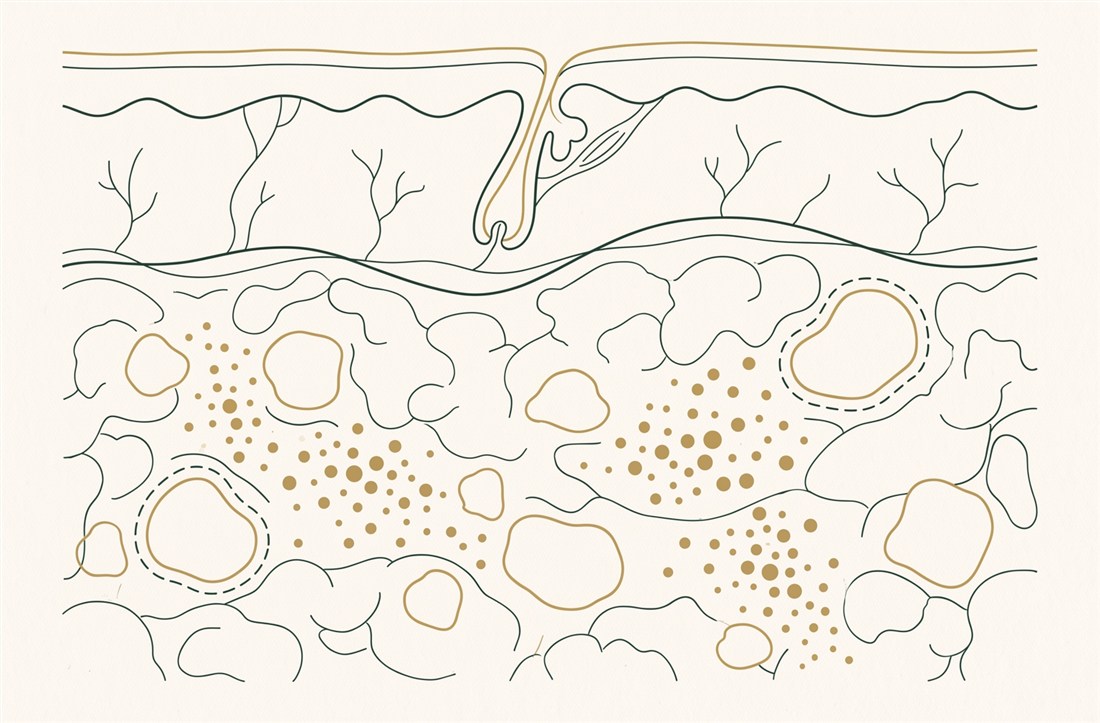
Tissue infiltrated by permanent filler: nodules and granulomas of material dispersed through the subcutaneous layer
{{ic-core}}

The material infiltrates the tissue

Biopolymer and liquid silicone do not stay where they are injected. They spread along tissue planes, migrate, and trigger chronic inflammation, forming hard granulomas. PMMA and old products become fixed and encapsulated. None of them can be dissolved away.

{{ic-shield}}

Surgery is the only real removal

Because the material cannot be dissolved, it has to be physically excised — the affected tissue and granulomas removed surgically. This is why permanent filler removal is a reconstructive operation, not a quick office treatment.

This is also why prevention matters so much: permanent fillers are far easier to receive than to remove. If you already have them, the honest path is careful surgical planning — not another injection.

What is treated

The fillers most often removed

Different materials behave differently in the tissue — but all of the permanent ones share the same problem: they must be taken out.

{{ic-core}}

Most common

Biopolymer & liquid silicone

Injectable silicone and “biopolymer” — frequently injected into the buttocks — are the most problematic. They migrate, harden and cause chronic inflammation and pain, sometimes years later. Removing them is demanding but life-changing for symptoms.

{{ic-layers}}

Encapsulated

PMMA (Metacrill and similar)

PMMA-based permanent fillers become fixed in the tissue and can form nodules and irregularities. They are excised surgically where they cause symptoms or deformity.

{{ic-recycle}}

Long-lasting

Old or semi-permanent products

Older long-lasting and semi-permanent fillers that have encapsulated or caused lumps and inflammation are also removed surgically when they can no longer be managed conservatively.

{{ic-heart}}

The goal

Relief, then restoration

The first aim is to remove the material and settle the inflammation and pain. Restoring a natural contour — sometimes with staged fat grafting or a lift once the tissue has recovered — is planned as a second step where needed.

Calm, reassuring consultation room at Dr. Paulo Michels' plastic surgery practice

Our philosophy

Take out what shouldn’t be there — honestly, and safely.

The most important truth

Can all of it be removed?

Honestly: not always completely. When biopolymer or liquid silicone has spread widely through the tissue, removing every last trace is not possible without damaging healthy structures. Anyone who promises 100% removal in every case is not being truthful.

What surgery can reliably do is remove as much of the material as is safe, take out the worst granulomas, and relieve the pain, inflammation and deformity. For most patients that is a profound improvement. Dr. Paulo Michels will tell you honestly, after examining you, how much can realistically be achieved in your case — before anything is decided.

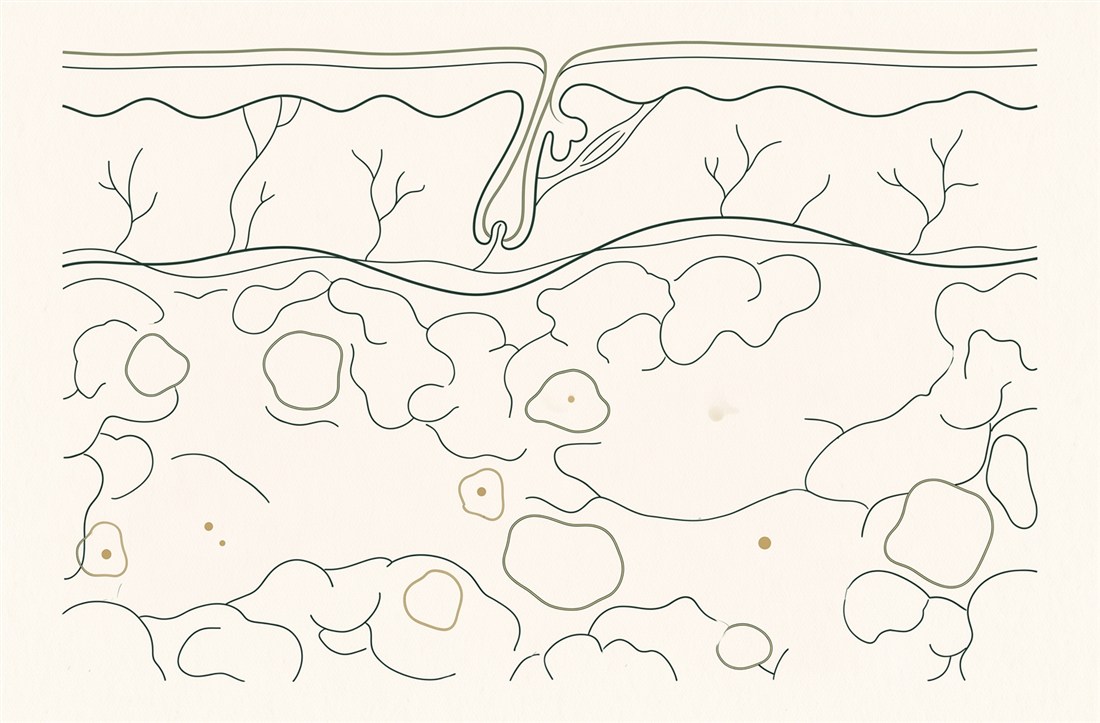
The same tissue after surgical removal: most nodules excised and the contour restored, with only faint trace material

Living with permanent filler? Get an honest assessment.

Book a private consultation with Dr. Paulo Michels — a careful evaluation of your filler, your symptoms, and exactly what surgical removal can achieve for you.

Recovery

What is recovery like?

Recovery depends on how much material is removed and from where — typically two to four weeks. The treatment is planned in two stages: first the removal, then the aesthetic reconstruction once the tissue has recovered.

  1. Stage 1 · Removal

    The encapsulated filler and granulomas are excised under general anaesthesia. Drains and a compression garment are often used, depending on the extent removed.

  2. 2–4 weeks

    Swelling, bruising and tenderness settle over about two to four weeks. Pain from the old inflammation often eases noticeably once the material is out.

  3. Healing

    The tissue recovers and softens over the following months. Compression supports the area as it settles.

  4. Stage 2 · Reconstruction

    Once the tissue has fully recovered, the planned second stage restores the shape — the aesthetic reconstruction, such as fat grafting or a lift.

Candidacy

Should I consider removal?

  • You have permanent filler (biopolymer, silicone, PMMA) causing lumps, hardening or migration
  • Pain, chronic inflammation, infection episodes or distortion of the shape
  • Filler placed elsewhere — abroad or unregulated — that you were told was “permanent”
  • You want an honest surgical assessment rather than another injection
  • In good enough general health for reconstructive surgery

What to understand

Before you decide

  • Permanent filler cannot be dissolved — surgery is the only removal
  • Complete removal is not always possible when material is widely spread
  • The first goals are removing as much as is safe and relieving symptoms
  • Contour restoration may be a planned second stage
  • An honest, individual assessment comes before any decision

Patient stories

In their words

GM
G. M.Dubai
“Years of pain and hardening from buttock biopolymer. He removed what he safely could and the pain is finally gone.”
Biopolymer removal
VP
V. P.Abu Dhabi
“He was the first to be honest that not all of it could come out — and explained exactly why. I finally trusted someone.”
Silicone removal
AF
A. F.Sharjah
“The lumps and inflammation are gone. We planned the contour work as a second step once I had healed.”
PMMA removal + reconstruction

Investment

How is the cost determined?

Every case is very different, so there is no single price. A personalised quotation follows an in-person assessment. The main factors:

In line with UAE medical-advertising regulations, prices are shared privately in consultation rather than published.

FAQ

Permanent filler removal, answered

Can permanent filler be dissolved?

No. Only hyaluronic acid filler can be dissolved (with an enzyme). Permanent fillers — biopolymer, liquid silicone, PMMA and old semi-permanent products — cannot be dissolved and must be surgically removed.

What is biopolymer, and why is it a problem?

“Biopolymer” usually means injectable silicone or similar permanent substances, often injected into the buttocks. Over time it migrates, hardens and causes chronic inflammation, granulomas, pain and distortion — which is why removal is so often needed.

Can all of the filler be removed?

Not always completely. When biopolymer or silicone has spread widely through the tissue, removing every trace safely is not possible. The realistic goals are to remove as much as is safe, take out the worst granulomas, and relieve the symptoms — and you are told honestly what your case allows.

How is the filler removed?

By surgical excision — the encapsulated filler and the inflammatory granulomas are carefully cut out, under general anaesthesia. It is reconstructive surgery, planned individually for the area and the material involved.

Which areas do you treat most?

Most often the buttocks, where biopolymer and silicone injections are common, as well as the face and other areas of the body where permanent filler has caused problems.

Will my shape be restored?

The first priority is removing the material and relieving symptoms. Where volume or contour is lost, restoration — such as fat grafting or a lift — is planned as a second stage once the tissue has healed.

Is the pain and inflammation likely to improve?

For most patients, removing the material and the granulomas significantly relieves the chronic pain and inflammation it was causing. The degree of improvement depends on how much can be removed.

I had filler abroad and don’t know what it was — can you help?

Yes. Part of the assessment is examining the area — sometimes with imaging — to understand what is there and how it behaves, then planning removal accordingly. You do not need to know the exact product to be assessed.

Is permanent filler dangerous to health?

Beyond lumps and deformity, permanent fillers can cause recurring infections and chronic inflammation, and are associated with longer-term immune reactions. This is a further reason many patients choose to have them removed — assessed individually at consultation.

Enquiry

Ask about Permanent Filler Removal

Leave your details and Dr. Paulo Michels’ team will reply personally — or message on WhatsApp.

Your details are used only to respond to your enquiry.