The Journal · Body contouring
Does rib remodeling affect your breathing?
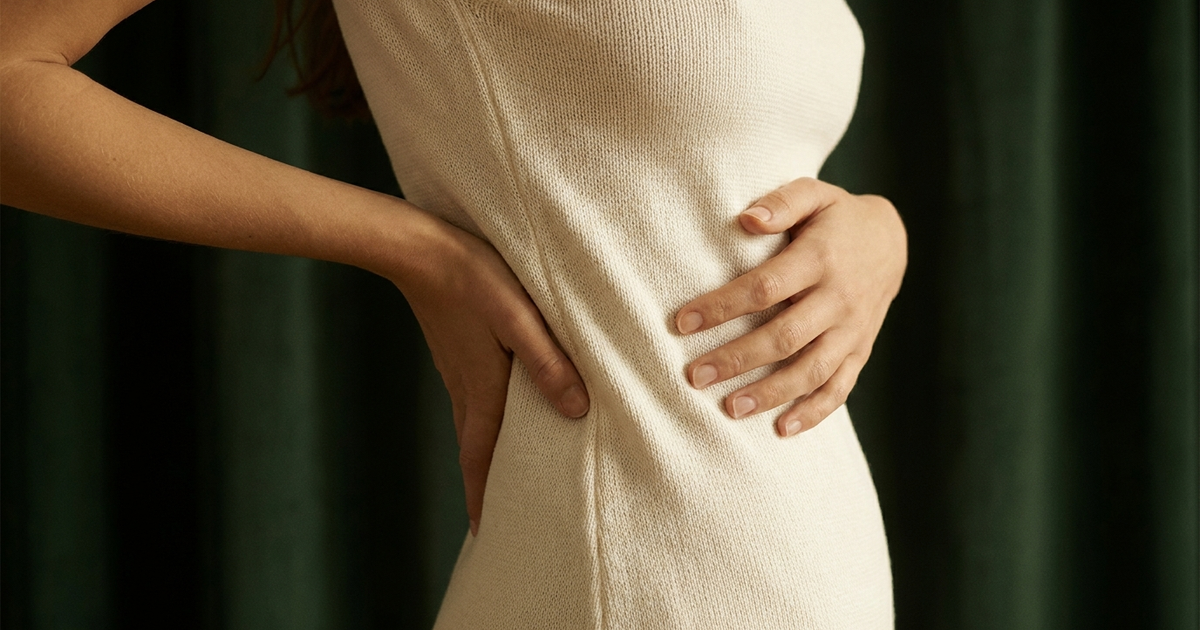
The short answer: no, rib remodeling does not affect your breathing. It reshapes the angle of the three lowest ribs using ultrasonic energy — a remodeling, not a removal. The rib cage keeps its integrity, the lungs and diaphragm work exactly as before, and organ protection is preserved. A brief sense of tightness while the area braces early on is normal.
Does rib remodeling change how you breathe?
This is the question almost every patient asks first, and it deserves a direct answer: breathing mechanics are preserved. Rib remodeling works only on the lowest ribs, gently easing their outward angle inward to narrow the waist. It does not touch the lungs, the airways or the diaphragm — the muscle that actually powers each breath. Because the parts of the body responsible for breathing are never altered, patients breathe the same after the procedure as they did before. What people sometimes feel in the first days is not shortness of breath but tightness, which is a normal part of early healing rather than a change in lung function.
What does rib remodeling actually do to the ribs?
Waist width is set largely by the rib cage, not by fat. The three lowest ribs — ribs 10, 11 and 12, the “floating” and false ribs — flare outward and are not attached to the breastbone in front, which is exactly why they can be reshaped safely. Using a precise ultrasonic device, the surgeon eases the angle of these ribs inward through very small access points. Crucially, the rib is reshaped and repositioned while being preserved — nothing is taken out. The bone keeps its length and continuity; only its angle changes. This is the difference between a controlled remodeling and the outdated idea of “rib removal”.
The key distinction
A remodeling, not a removal
Rib remodeling reshapes the angle of ribs 10, 11 and 12 while keeping every rib in place. The rib cage stays whole, so the structure that protects the organs and supports breathing is never removed.
Why is breathing preserved?
Two anatomical facts explain it. First, the ribs that are reshaped are the lowest and least involved in the breathing cycle — the upper ribs and diaphragm do the heavy lifting of respiration, and they are left completely untouched. Second, because the ribs are eased rather than removed, the cage keeps its dome-like structure. That structure is what expands and contracts as you breathe, and preserving it means the mechanics of a breath are unchanged. In short, the procedure is designed around the parts of the anatomy that can be reshaped without cost, and steers clear of everything that breathing depends on.
Does it affect the organs behind the ribs?
No. The same feature that protects breathing also protects the organs: the rib cage keeps its integrity. Because no rib is taken out and the overall cage is preserved, the natural shielding of the organs beneath continues to work as it always has. The reshaped ribs simply sit at a slightly narrower angle, giving a more defined waist while keeping their protective role. This is a deliberate part of the technique, not an afterthought — the whole point of remodeling rather than removing is to change the silhouette without compromising what the rib cage is there to do.
What sensations are normal in early recovery?
Honesty matters here, because a little tightness is expected and should not be mistaken for a breathing problem. In the first days and weeks you may notice:
- A feeling of tightness around the lower ribs, especially with deep breaths, laughing or coughing. This comes from swelling and the tissues settling, and it eases steadily.
- Awareness of the area while it braces, as the reshaped ribs stabilise in their new position. A support garment is part of protecting this.
- General soreness that responds to the recovery plan and fades over the healing period.
None of these is a reduction in lung capacity. They are the ordinary signs of a body healing, and they resolve as the area settles.
How does Dr. Paulo Michels keep it safe?
Rib remodeling is a specialised procedure, and safety comes from doing exactly what the technique intends and no more: reshaping only ribs 10, 11 and 12, easing rather than removing, and using ultrasonic precision through minimal access. Dr. Paulo Michels assesses each patient individually and operates at Elyzee Hospital in Abu Dhabi, caring for patients from both Abu Dhabi and Dubai. At consultation he explains exactly what will and will not change — including the reassurance that your breathing is preserved — so you can make the decision with a clear and honest picture.
Frequently asked questions
Does rib remodeling remove any ribs?
No. Rib remodeling reshapes the angle of the three lowest ribs and keeps every rib in place. Nothing is taken out; the bone retains its length and continuity, and only its angle is gently eased inward to narrow the waist.
Will rib remodeling make it harder to breathe or exercise?
No. The lungs, airways and diaphragm are never altered, so breathing mechanics are preserved and long-term exercise capacity is unaffected. Any early tightness comes from swelling and healing, not from reduced lung function, and it eases as recovery progresses.
Is the tight feeling after rib remodeling normal?
Yes. A sense of tightness around the lower ribs — particularly with deep breaths or laughing — is a normal part of early recovery while the area braces and swelling settles. It is not shortness of breath and it fades steadily over the healing period.
Does rib remodeling leave the organs unprotected?
No. Because the rib cage keeps its integrity and no rib is removed, the natural protection of the organs beneath is preserved. The reshaped ribs simply sit at a slightly narrower angle while continuing their protective role.
Read more: Rib remodeling · Liposuction · Book a consultation