The Journal · Facial surgery
Do you need upper or lower blepharoplasty — or both?
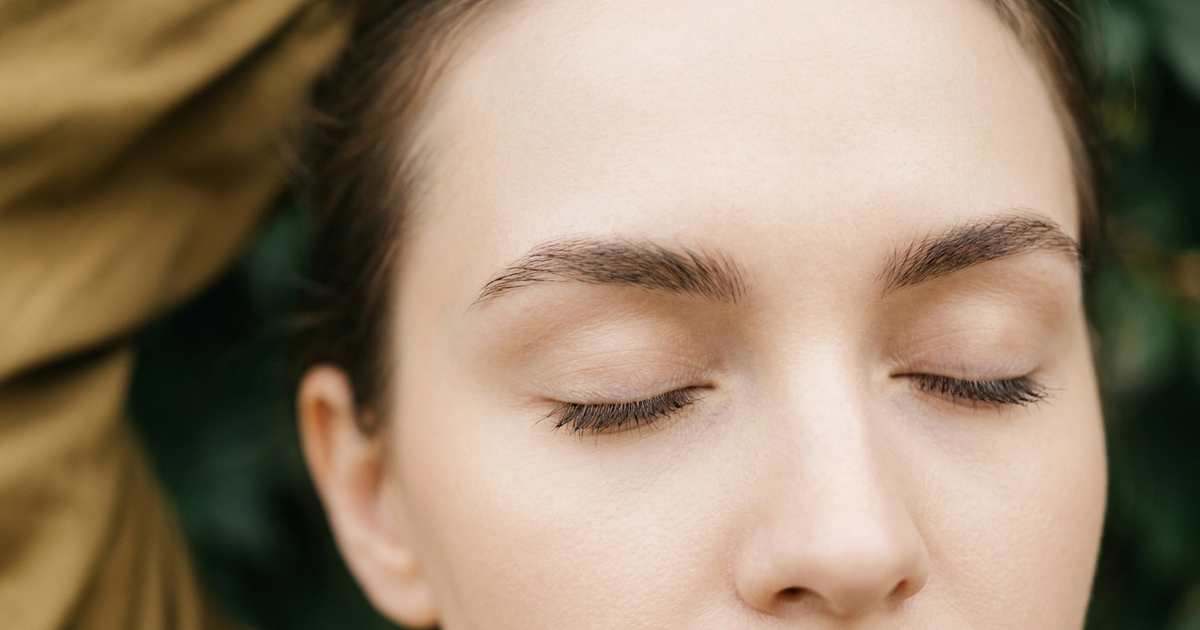
The short answer: it depends on what makes your eyes look tired. Heavy, hooded skin folding over the upper lid points to upper blepharoplasty; bags and dark hollows beneath the eye point to lower blepharoplasty. Many people have both changes — and the two can safely be combined in a single operation and recovery.
What does upper blepharoplasty correct?
The upper lid ages by excess skin. As the skin loosens it folds over the lid, hoods the eye and can even rest on the lashes — making you look tired or stern regardless of how you feel, and occasionally narrowing the upper field of vision. Upper blepharoplasty removes that excess skin — and a little bulging fat, if present — through an incision hidden in the natural crease of the lid, so the scar is invisible when the eye is open.
The quick self-test: look straight ahead in a mirror. If a fold of skin hangs over the natural crease and covers part of the lid — or you have started lifting your brows to see better — the upper lid is likely the issue.
What does lower blepharoplasty correct?
The lower lid ages differently: bags form as fat pushes forward, and a dark, hollow shadow — the tear trough — develops where the lid meets the cheek. The modern operation does not simply cut the fat away, which over time can leave the eye hollow and skeletal. Instead, Dr. Paulo Michels repositions the fat downward into the tear trough — one movement that corrects the bag and fills the shadow, restoring a smooth, rested transition from lid to cheek using your own tissue.
The approach is tailored. When there is little excess skin, the whole operation is done transconjunctivally — from inside the lid, with no external scar at all. When skin must also be removed, a fine incision just under the lashes is used. If the lid is lax, a canthopexy supports the outer corner so it stays crisp.
How do you know if you need both?
Very simply: because both patterns are present. Hooded upper lids and lower-lid bags often arrive together, since the whole periorbital area ages as one. The two procedures are routinely combined in a single operation — one anaesthetic, one recovery — and the result is more harmonious than correcting one lid and leaving the other visibly older. Blepharoplasty takes roughly one to two hours depending on what is done, and most patients are back to social life in about a week.
An honest caveat: sometimes the correct answer is neither lid alone. If the eyebrow itself has descended and is pushing skin down onto the lid, removing more lid skin only drags the brow lower and hollows the eye — the real fix is to lift the brow. This is checked first at every consultation, so you have the operation your anatomy actually needs. And when the whole upper face is ageing together, eyelid surgery can be planned alongside a facelift or a mini facelift.
Are there alternatives for milder cases?
Yes — when the change is early and mild, surgery is not automatically the answer. Fine, crepey skin texture on the lower lid lives in the skin surface, which surgery cannot smooth; that is treated with CO2 laser resurfacing, often combined with a blepharoplasty for a complete result. And where the concern is mild skin laxity rather than true hooding or fat bags, non-excisional subdermal plasma skin tightening offers a scar-free way to firm skin — with the honest limit that it tightens tissue but removes nothing. An examination decides which category your eyes fall into.
Wherever you start, the decision is made with your face in front of a surgeon — not from a photograph. Dr. Paulo Michels examines the brow, the upper lid, the lower lid and the cheek together at Elyzee Hospital in Abu Dhabi, welcoming patients from both Abu Dhabi and Dubai, and recommends only what your eyes actually need.
Frequently asked questions
How do I know if I need upper or lower blepharoplasty?
Look at what bothers you. Skin folding over the upper lid, a hooded or heavy look, points to upper blepharoplasty; bags, puffiness or a dark hollow under the eye points to lower blepharoplasty. Many patients have both, and the consultation examination gives the definitive answer.
Can upper and lower blepharoplasty be done at the same time?
Yes — combining them in one operation is routine, with a single anaesthetic and a single recovery of about a week back to social life. It is often the most harmonious option when both lids show ageing.
Does lower blepharoplasty leave a scar?
Often not. When little skin needs removing, the lower lid is treated transconjunctivally — from inside the lid — with no external scar at all. If skin must be removed, the incision sits in a fine line just under the lashes and fades to near-invisible.
Will my eyes look hollow after surgery?
Not with the modern technique. Rather than removing the lower-lid fat, it is repositioned into the tear trough to fill the hollow — correcting the bag and the dark circle together, so the eye looks rested rather than emptied.
Read more: Blepharoplasty · Deep plane facelift · Mini facelift · Book a consultation